
Tuesday, May 26, 2009
keeping the peace
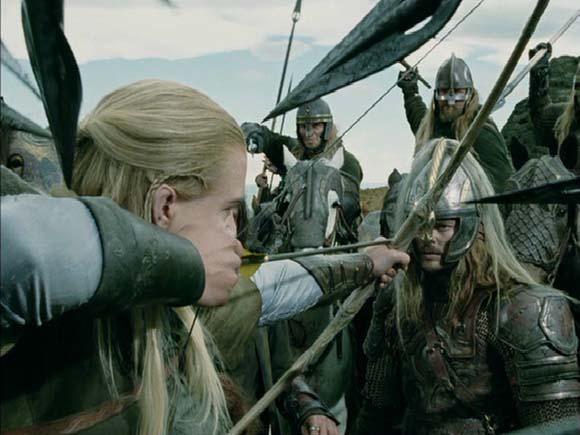
Our night watchman keeps guard with a bow and arrow. He sits up all night, perched on one of those cheap, electric-blue plastic patio chairs, armed with a bow and about nine arrows. actually.


Monday, May 25, 2009
to ottawa, with love
Monday mornings hurt. Squinting sleepy eyes, alarm clocks, and breakfast on the fly. It’s a rude transition from the tranquility of the weekend. The same sun, the same sky, but strangely not as friendly.
There’s a BA flight that departs Monday mornings. Mondays and Wednesdays, and every week feels like a missed chance. I lay on the hard foam mattress, crushing my eyelids closed, and holding my breath trying not to think about my heart flying away.
These are things I look forward to

There’s a BA flight that departs Monday mornings. Mondays and Wednesdays, and every week feels like a missed chance. I lay on the hard foam mattress, crushing my eyelids closed, and holding my breath trying not to think about my heart flying away.
These are things I look forward to

value village (cyrville)

electric nights on bank st
 hand-me-downs

electric nights on bank st
 hand-me-downs
meet me at trudeau

The truth: my heart’s not in it. It started as a tense and loveless relationship, and I’ve concluded that it’s better to be selfish than break myself trying to make things work in Africa. In one deep breath, I’m looking forward to coming home.
It wasn’t the city so much as the circumstances. With no separation between work and play, a home office, living/working/socializing with the 40+ crowd, it was hard not to see myself fading away. The bi-monthly beach parties and marathon treadmill runs got me through the first three months, but at the cost of my sanity (not to mention the blisters). It’s hard not to feel defeated, but I know I can do a lot more good in a city where archaic thinking isn’t so entrenched in personalities and social practices.
There was no contract, there was no security, and I fell face-first into an opportunity to cut ties and ran with it. The bitterness is mutual, but tensions have eased in the seven days since D-day and it’s not completely unbearable to be at the sitting at the same table with a person you feel has wronged you, and who is more than happy to play the victim. I’m hoping to fly out as soon as some last minute papers go through, hopefully the first week of June. I won’t hold grudges – but it’s time to go home.

au clair de la lune,
There’s a certain romance to cities after dark, when the soft glowing streetlamps burn up the deserted avenues. Whether you’re strolling down the boulevards in Montreal, traipsing through muddy streets in London, or riding atop the handlebars of a rickety red bicycle through the stony footpaths in Ljubljana, you can’t help but take notice how busy quarters transform into hollow jungles at sundown – places where only the shadows dance and twist with the haunting movements of late-night commuters.
 DREAMER
It took me nearly three months to muster the courage to walk through Dar after dark. I let the labels (third world, crime, night) get the best of me.
But then, at nearly ten weeks in, (and thanks to some familiar faces camped out at the Econolodge in the downtown core) we decided it was time to make the effort.
It was 10pm on a Saturday, and we hailed a 3$ cab to take us to the corner of Morogoro road and Libya street. Stepping out on the dirt sidewalk, it took only moments to spot the sign for the hotel. It was a half-lit blue and white eyesore with a giant red arrow pointing towards the lobby (conveniently located at the far end of a Hitchcock-style dark and ominous alleyway – lovingly dubbed ‘crack-alley’ by the hotel guests).
It wasn’t a love-at-first-sight introduction. We stood, three jailbait tourists staring into the shadows, trying to work out how to get to the entrance without being attacked by a hooligan or radioactive rodent. But crack-alley was just the tip of the iceberg.
I’ve wandered through a few moonlit cities, but the combination of dark and deserted has never been so startlingly complete. For two hours, there wasn’t a sign of life beyond a few sleepy-looking taxis that rolled through the abandoned streets, starved for fares in the twilight hours. From the high-rises office towers to the low-income apartments, every window was filled with the same blackness. We walked single file, following the lights of neon-tinted shop signs, to a late-night Lebanese café that served hot mint tea and shisha. After all the anticipation, it was a fairly sweet and underwhelming first impression – no violence, no debauchery, just a soft and settled sort of charm.
 DREAMER
It took me nearly three months to muster the courage to walk through Dar after dark. I let the labels (third world, crime, night) get the best of me.
But then, at nearly ten weeks in, (and thanks to some familiar faces camped out at the Econolodge in the downtown core) we decided it was time to make the effort.
It was 10pm on a Saturday, and we hailed a 3$ cab to take us to the corner of Morogoro road and Libya street. Stepping out on the dirt sidewalk, it took only moments to spot the sign for the hotel. It was a half-lit blue and white eyesore with a giant red arrow pointing towards the lobby (conveniently located at the far end of a Hitchcock-style dark and ominous alleyway – lovingly dubbed ‘crack-alley’ by the hotel guests).
It wasn’t a love-at-first-sight introduction. We stood, three jailbait tourists staring into the shadows, trying to work out how to get to the entrance without being attacked by a hooligan or radioactive rodent. But crack-alley was just the tip of the iceberg.
I’ve wandered through a few moonlit cities, but the combination of dark and deserted has never been so startlingly complete. For two hours, there wasn’t a sign of life beyond a few sleepy-looking taxis that rolled through the abandoned streets, starved for fares in the twilight hours. From the high-rises office towers to the low-income apartments, every window was filled with the same blackness. We walked single file, following the lights of neon-tinted shop signs, to a late-night Lebanese café that served hot mint tea and shisha. After all the anticipation, it was a fairly sweet and underwhelming first impression – no violence, no debauchery, just a soft and settled sort of charm.
Thursday, May 21, 2009
TGI SUNDAY
In a country where sixty hour work weeks are the norm, Sundays are the faint, but comforting light the horizon. One glorious morning to stay in bed until noon, eat a quiet breakfast on the terrace, or, on the more ambitious days, run away to one of the fantastically convenient islands that pepper the Dar es Salaam coast. For the bargain price of 18,000 shillings (16$ American), it’s a short ride on a ramshackle blue and white fishing boat (seaworthy, so long as you ignore the suspicious clouds of smoke that occasionally escape from the engine room) to an isolated stretch of unspoiled beach. It’s a chaperone-free haven where you can collapse underneath a grass-roofed hut and forget your frustrations (western standards, merciless schedules, and family politics aren’t allowed on the island).
It wasn’t a particularly sunny afternoon, but the tides were high and there’s always a fantastic collection of disposable treasures to be found washed up on shore. It’s strangely wholesome that the sea spits back everything that doesn’t belong – including Huggies wrappers and green bell peppers.
With marginally violent swells ripping up the shallows, we spent most of our afternoon sweating it out in the sand and frequenting the tiki-style, ant-infested canteen for drinks and fried food (they specialize in chips and freshly skewered and grilled seafood). It’s may not sound like the most thrilling way to pass a weekend, but the sun, sea, and a stereo, are good enough for me.
Next year’s Christmas decorations:

It wasn’t a particularly sunny afternoon, but the tides were high and there’s always a fantastic collection of disposable treasures to be found washed up on shore. It’s strangely wholesome that the sea spits back everything that doesn’t belong – including Huggies wrappers and green bell peppers.
With marginally violent swells ripping up the shallows, we spent most of our afternoon sweating it out in the sand and frequenting the tiki-style, ant-infested canteen for drinks and fried food (they specialize in chips and freshly skewered and grilled seafood). It’s may not sound like the most thrilling way to pass a weekend, but the sun, sea, and a stereo, are good enough for me.
Next year’s Christmas decorations:

Friday, May 15, 2009
DISCLAIMER
It’s hard to avoid clichés when you write about being a westerner traveling in Africa. Sitting in front of my laptop, I can’t avoid running through the checklist of scenic things to write home about… giant palm trees, brilliant shorelines, and the fail-safe mustard-colored sunset. It’s easy to get lost in the bright and shiny world of island resorts and tourist plazas, and while I hate to undermine the hardships of third world society, I’ve always been inclined to stick to polite, PG-imagery, and reserve the disheartening realities for more intimate conversations.
But I read a lot about the ways the west has misunderstood this continent, and it seems hypocritical to count myself part of the informed public while simultaneously glossing over the more difficult truths in these journals. I’m sure these crisis of conscience moments plague most people who travel from first-class society to shoeless hamlets where people have never heard of i-pods or Obama. It’s a dilemma that won’t be resolved with a tirade about radically unsuccessful interventions and global apathy, but be warned, surviving Dar is a much dirtier business than the colorful snapshots make it out to be.
But I read a lot about the ways the west has misunderstood this continent, and it seems hypocritical to count myself part of the informed public while simultaneously glossing over the more difficult truths in these journals. I’m sure these crisis of conscience moments plague most people who travel from first-class society to shoeless hamlets where people have never heard of i-pods or Obama. It’s a dilemma that won’t be resolved with a tirade about radically unsuccessful interventions and global apathy, but be warned, surviving Dar is a much dirtier business than the colorful snapshots make it out to be.
Subscribe to:
Posts (Atom)